

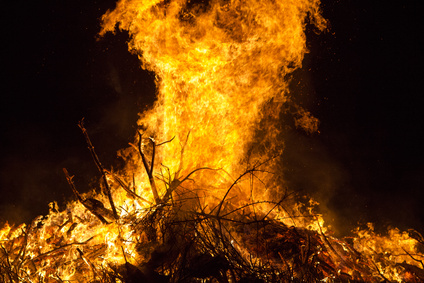
The dry winds in NSW 2013, and the subsequent Blue Mountains disasters have boasted the discussion of poor bush fire compliant homes once more.
For new homes current legislation does a pretty good job of forcing Australians to better withstand a bush fire attack. But what about renovations?
Currently there is no legislation enforcing property owners to upgrade their existing homes to comply with current Bushfire Attack Level's (BAL). There is only one minor measure in place that only quietly mentions that a homeowner has a property located in a bush fire prone area.
When a property is sold the vendor is required by law to organise a Sales Contract. Within this Sales Contract is a Section 149 Planning Certificate. Within this document it mentions if your property is in a bush fire prone area or not. It does not state the Bushfire Attack Level or if the current dwelling comply's with current bush fire legislation.
The seller of any property is not legally required to ensure their property meets current bush fire construction standards.
 Ensuring your home is bush fire compliant
When selling or buying a property you can find out if your property is bush fire compliant or not by doing a little research. Here is what you should do:
1. Engage council
Engage your local council and ask them to prepare a Building Certificate. The certificate will outline if your home complies with current building standards, and will go into a little detail about bush fire compliance.
If you need further details about bush fire compliance you can engage a private certifier or your local council.
2. Certifiers
- Council - There are some council's that can provide a specialist consulting service - assessing bush fire construction compliance. Gosford City Council for example provides a consulting service under their Streamline Group. This is a paid service where a report can be prepared outlining what you need to do to ensure your house complies with your particular Busfire Attack Level.
- Private - There are some private certifiers that also offer a similar service as above.
3. Bush Fire Consultant
Specialist bush fire consultants are a great resource if you have a high level bush fire prone property.
As a home owner, the choice is yours, as to whether you bring your home in-line with current bush fire construction levels or not. Getting your home to comply with current standards can be a costly exercise but not always. Making the recommended changes could be as simple as replacing timber fascias with Colorbond, but if your house is entirely clad with timber it could be a very costly venture.