
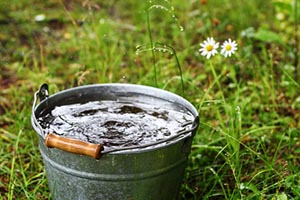
 As most keen gardeners would know, it is important to protect your plants from the elements. In Australia we're acutely focused on protecting our plants from the effects of the harsh summer sun, but what about the rain? Too much rain can be devastating on plants. See our following 7 top tips outlining what you can do to protect your plants from too much rain.
1. Improve soil drainage
In times of heavy rain the upper soil in garden beds gets soaked and drainage becomes virtually non-existent. When water hits high clay content soils, nutrients are washed away, making it difficult for any root system to flourish. Try these tips for improving soil drainage:
- Add organic soil - Adding organic soil into the clay will raise the height of garden beds - offering plant roots more room to grow and retain soil nutrients for longer.
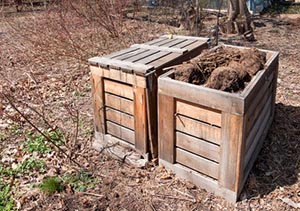 Add compost
- Add sand - Adding sand to the soil will allow better water movement.
- Drill holes - Sounds odd, but it works. For garden beds with incredibly poor drainage you may need to drill holes and install overflow hoses to divert excess water away from garden beds.
- Install a gravel pit - This will draw water away from your garden bed. You will need to study where your garden tends to pond. Dig up an area of the dirt and back fill with gravel, lay thick layers of newspaper over the gravel and backfill with soil. Ensure you install overflow hoses that drain from the bottom of the gravel pit to storm water lines.
Soggy, saturated soils will kill plants over time, so you need to recognize excess water as a serious problem.
2. Create channels
The immediate response to heavy rain and worse (flash flooding) is to dig channels to allow the water to drain away from the garden. This is a great idea and provides the rain somewhere else to go, instantly helping with drainage.
3. Manipulating mulch
Mulch is a wonderful garden aid as it helps reduce the amount of water evaporated from the soil, but once the soil is saturated the mulch needs to be manipulated. Try these mulch manipulating tips:
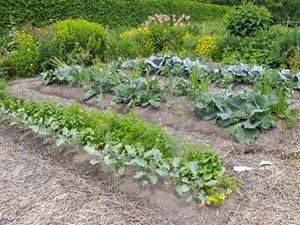 Remove mulch - Removing mulched areas temporarily will help the sun and wind dry out the garden, but don't forget to recover once the soil is back to normal moisture levels.
- Cover gardens - Reduce the addition of more water. Try covering gardens with tarp during heavy rain falls and removing once the down pour is over.
- Apply straw - Try applying extra dry straw in the low spots in the garden. This will help absorb rain.
4. Turn off irrigation
Don't forget to turn off any automatic irrigation systems and do not turn back on till the garden has dried out.
5. Protect your plants
.jpg)
During times of heavy rain you need to physically protect your plants.
- Stake plants - Staking up plants that are either week, newly plant or that are leaning over will take stress off your plants.
- Harvest fruit - Before a downpour you should always harvest any heavily laden fruit trees to prevent rain damage. It's often best to harvest even the green fruits and try to ripen on a window sill.
6. Avoid walking
Walking near plants in saturated conditions can also cause soil impaction, which can limit root growth. This is generally not a concern if you have well designed garden beds or raised beds where you can reach each plant without stepping near them.
7. Fertilise
Don't forget to fertilise after heavy rainfalls. Heavy runoff and rain will remove nutrients from the soil. Make sure to replenish these nutrients with fish emulsion or an organic all-purpose fertilizer.
8. Eliminate pests
When there is loads of rain there will be load of pests and weeds to follow.
- Eliminating slugs - Where possible eliminate slug and snail hiding places. These include; any damp places, under pieces of timber or stones, or under other items that are laying around the garden.
- Deter weeds - Keep an eye on emerging weeds. Weeds will often pop up soon after a storm. The sudden charge of moisture to the soil will encourage weeds to spring up almost overnight. Put down mulch to prevent weeds.
- Reduce fungal attack - Keep an eye out for fungal or bacterial attack. Damp, humid conditions are perfect for fungal and bacterial disease development. Diseases, such as powdery mildew, will spread very quickly in wet conditions. Treat these diseases as soon as they are noticed otherwise it can spread quickly to other parts of your garden. Plants particularly prone to fungal attack are:
- Tomatoes
- Pumpkins
- Cucumbers
- Zucchinis
Fighting the results of too much rain can seem like an unending chore. The constant war against drainage and pests can be unrelenting, but sorting out soil issues and keep one step ahead of pests can result in a healthy and productive veggie patch. If you'd like to learn more about establishing a well drained veggie patch, Adams Garden runs beginner classes in growing your own fruit and vegies. Visit the Adam's Garden website for more information.